

Make Uganda e-Invoicing Work Shopify Stores
How Shopify Sales Connect With EFRIS
- Sales Transactions Reviewed: Completed Shopify sales are assessed according to the configured fiscal processing rules.
- Relevant Information Extracted: Applicable product, customer, tax, location, and order details are collected.
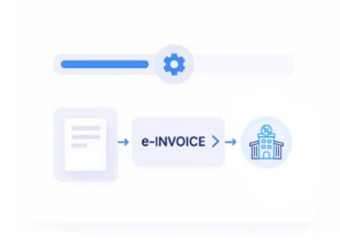
- Fiscal Data Arranged: Selected Shopify information is structured for electronic invoice preparation.
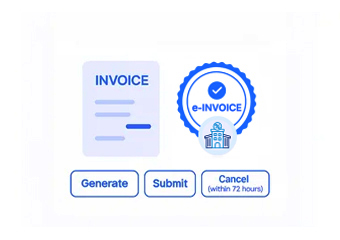
- EFRIS Submission Initiated: Prepared transaction information is transmitted through the Advintek connection.
- Fiscal Response Retrieved: Applicable information generated through EFRIS can return through the connected workflow.
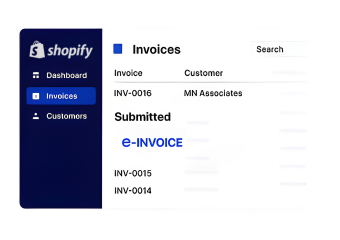
- Shopify References Maintained: Relevant fiscal details can remain associated with originating sales records.
What Advintek Adds To Shopify
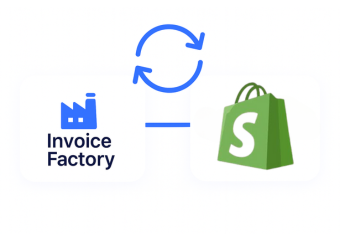
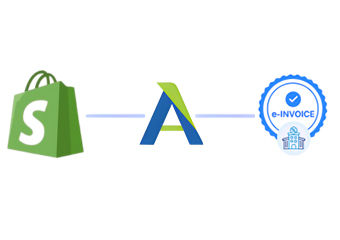
Advintek provides the connection between Shopify commerce activity and Uganda EFRIS, helping businesses coordinate online sales information with structured electronic fiscal processing.
- Links Shopify sales with EFRIS
- Maps relevant ecommerce information
- Structures transaction details
- Supports fiscal document exchange
Why Shopify Data Matters For EFRIS
- Sales Records Establish Origins:Shopify transaction records provide the starting point for identifying completed ecommerce activity requiring electronic fiscal processing.
- Product Details Describe Transactions:Catalog information can clarify the individual products, quantities, and values represented within each applicable sales transaction.
- Customer Details Add Context:Relevant customer information can help businesses associate electronic invoice records with the underlying ecommerce customer transaction.
- Location Information Supports Identification:Shopify location records can help distinguish transaction origins where businesses manage sales activity across multiple physical or operational locations.
- Order Changes Need Context:Discounts, edits, and other applicable order adjustments can provide useful background when transaction information is prepared for fiscal processing.
- Fulfillment Records Add Visibility:Shipping and fulfillment information can help teams understand the operational circumstances surrounding particular online sales.
Everything You Need for Uganda E-Invoicing in One Place
Real-Time Validation Feedback
Connect relevant Shopify transaction information with applicable electronic fiscal documentation.
Centralized Store Dashboard
Use suitable Shopify location references to organize transactions from different operating locations.
Continuous Compliance Support
Include applicable transaction modifications when preparing connected ecommerce information for fiscal processing.
Who Can Connect Shopify With EFRIS?
Shopify businesses can connect their ecommerce sales environment with Uganda EFRIS when their online transaction processes require structured electronic fiscal documentation.
- Retailers selling through Shopify
- Growing ecommerce businesses
- Multi-location Shopify operators
- Businesses processing frequent online sales
Shopify and Advintek — Built for Uganda EFRIS
Advintek connects Shopify commerce activity with Uganda EFRIS fiscal workflows.
Support your Shopify store with organized EFRIS invoicing.
Ready e-Invoice System
Frequently Asked Questions Shopify E-Invoicing Uganda
How does Shopify order data support invoice creation through Advintek?
Shopify stores detailed information within each order, including purchased products, quantities, customer details, discounts, taxes, and totals. Advintek can use relevant order fields to prepare structured fiscal information for EFRIS, helping businesses connect their existing Shopify order-management process with Uganda’s electronic invoicing requirements.
Can Shopify product catalog information be mapped into EFRIS documents?
Yes. Shopify product records can provide useful item-level information such as product names, variants, SKUs, quantities, and selling values. Advintek can map applicable catalog information into the fiscal workflow, helping businesses create clearer invoice details while continuing to maintain products and inventory through their Shopify administration environment.
How does Shopify handle customer information within the invoicing workflow?
Shopify customer records can contain names, contact information, billing details, and other applicable profile data associated with orders. Relevant information can be mapped by Advintek during fiscal processing, allowing businesses to associate electronic invoice documentation with the corresponding Shopify customer and order without rebuilding customer records separately.
Can Shopify support EFRIS processing for multiple business locations?
Shopify can manage commerce activity associated with different locations, which can be useful for businesses operating multiple stores or fulfillment points. Advintek can incorporate relevant location context when processing applicable transactions, helping organizations distinguish sales activity while maintaining their existing Shopify structure for broader commerce management.
What happens to Shopify order records after EFRIS processing?
Shopify remains the primary environment for managing ecommerce orders, while the connected fiscal workflow handles applicable EFRIS processing. Advintek can maintain references between originating Shopify transactions and relevant fiscal information, giving finance and operations teams a clearer connection between online orders and their corresponding electronic invoice records.