

Compliance That Fits E-Freight ERP Users
Why eFreight ERP Connects With EFRIS
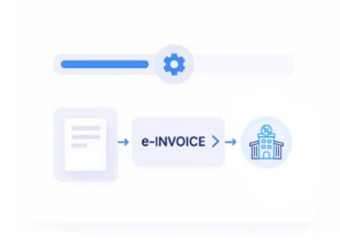
- ERP Sync: Freight invoice and shipment data is extracted from eFreight ERP through connected APIs without interrupting existing operations.
- URA Validation: Relevant transaction data is checked against Uganda Revenue Authority and EFRIS requirements before fiscal submission.
- Fiscal Structuring: Freight invoice information is organized into structured data suitable for Uganda’s EFRIS processing framework.
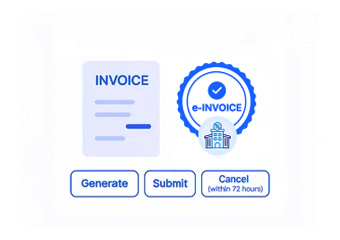
- EFRIS Submission: Prepared invoice data is transmitted to EFRIS through Advintek’s connected system-to-system integration.
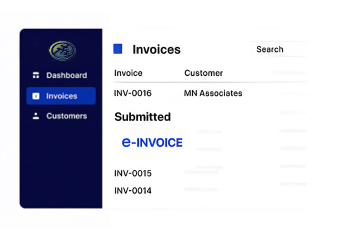
- Status Sync: EFRIS responses, fiscal references, and applicable submission statuses are synchronized back with eFreight ERP for operational visibility.
What Advintek Extends For eFreight ERP
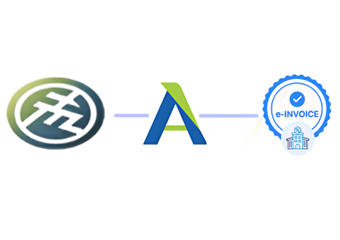
Advintek provides the connection layer between eFreight ERP and Uganda’s Electronic Fiscal Receipting and Invoicing Solution, helping freight businesses extend existing operational billing processes into electronic fiscal workflows.
- Organizes fiscal invoice information
- Supports system-to-system communication
- Returns applicable fiscal references
- Preserves originating transaction context
Why eFreight ERP Works For EFRIS
- eFreight Billing Visibility: eFreight records can provide a clearer operational reference for invoices associated with transportation and forwarding services.
- Shipment-Based Documentation: Shipment information can help connect fiscal documents with the freight activity that generated the underlying customer transaction.
- Customer Context: Customer and consignee records can support identification of parties associated with individual freight billing activities.
- Charge Classification: eFreight-related charges can provide useful billing context when preparing electronic invoice information for fiscal processing.
- Route References: Origin and destination details can strengthen operational understanding when reviewing invoices against completed freight movements.
- Service Traceability: Service records can help teams relate fiscal invoice information back to the freight activity completed for customers.
Everything You Need for Uganda E-Invoicing in One Place
Real-Time Validation Feedback
Associate qualifying freight billing information with Uganda electronic fiscal workflows.
Centralized Freight Dashboard
Connect applicable shipment information with related invoice processing requirements.
Continuous Compliance Support
Maintain relevant customer references across freight and fiscal documentation.
Created For eFreight ERP Users In Uganda
Freight forwarders, logistics operators, transportation businesses, clearing organizations, and other companies using eFreight ERP for computerized commercial operations can connect qualifying transactions with Uganda EFRIS through Advintek.
- Freight businesses managing frequent customer billing
- Logistics teams handling shipment-based transactions
- Forwarders using computerized operational systems
- Businesses requiring structured fiscal invoicing
Streamline eFreight ERP Processing
Extend qualifying freight transactions into Uganda’s electronic fiscal environment through Advintek.
Connect shipment billing with structured EFRIS processing workflows.
Ready e-Invoice System
Frequently Asked Questions E-Freight ERP E-Invoicing Uganda
How can eFreight ERP support Uganda EFRIS requirements?
eFreight ERP can provide relevant transaction information from freight and logistics operations for electronic invoice processing. Advintek can connect qualifying billing information with Uganda EFRIS, allowing freight businesses to extend existing computerized workflows toward fiscal processing while retaining operational references within their ERP environment.
Which freight information can be useful for EFRIS invoice processing?
Depending on the transaction, relevant information may include customer details, shipment references, freight services, applicable charges, and other billing data maintained in eFreight ERP. Advintek can help organize qualifying information for transmission through an EFRIS-connected workflow without requiring teams to abandon their existing freight processes.
Can shipment details remain connected with fiscal invoices?
Yes. Shipment references can provide useful operational context for fiscal documents created from freight transactions. With an Advintek connection, relevant eFreight information can remain associated with invoice activity, helping finance and operations teams understand which shipment or service generated a particular fiscal transaction.
Is system-to-system EFRIS integration suitable for freight businesses?
Uganda Revenue Authority identifies system-to-system connectivity through an API as an option for businesses using computerized accounting systems, including ERP and POS environments. This approach can suit freight organizations handling frequent transactions because relevant business data can be exchanged electronically rather than entered repeatedly.
How does Advintek connect eFreight ERP with Uganda EFRIS?
Advintek acts as the integration layer between applicable eFreight ERP information and Uganda’s EFRIS environment. It can map relevant freight billing data, transmit structured transaction information, receive applicable fiscal responses, and associate returned references with originating records for clearer operational and financial follow-up.