

Compliance Built for Epicor Kinetic Operations
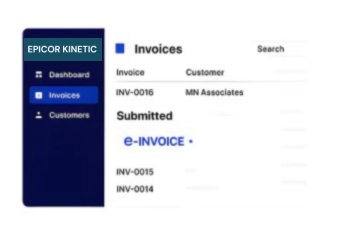
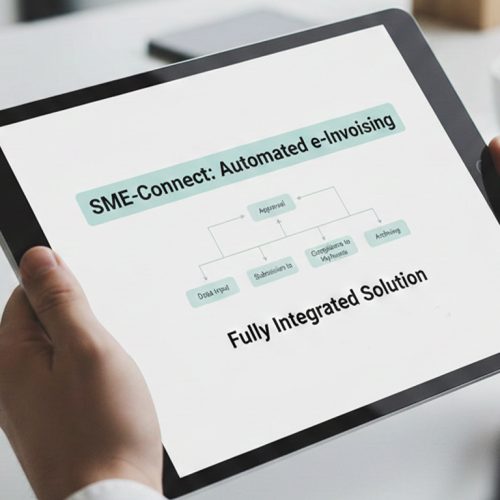
How Does Epicor Kinetic Move Invoices Toward EFRIS?
- Sales Record Identification: Applicable Kinetic sales, shipment, and billing records are selected for relevant invoice processing within the Uganda workflow.
- Transaction Information Review: Customer, product, quantity, pricing, tax, and order information is examined before invoice preparation and fiscal processing activities.
- Invoice Data Organization: Relevant transaction details are structured according to the applicable Uganda invoice processing requirements for accurate submission preparation.
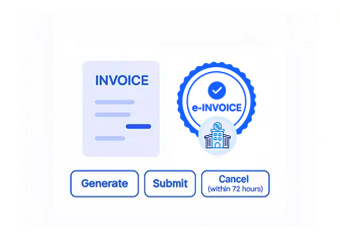
- Pre-Submission Validation: Advintek reviews mapped invoice information for completeness and accuracy before applicable EFRIS submission processing officially begins.
- EFRIS Invoice Processing: Validated invoice information passes through the connected EFRIS integration route for Uganda fiscal processing requirements.
- Fiscal Response Linking: Returned fiscal details can be linked with originating Kinetic transactions for ongoing reference and reconciliation purposes.
What Does Advintek Bring to Epicor Kinetic
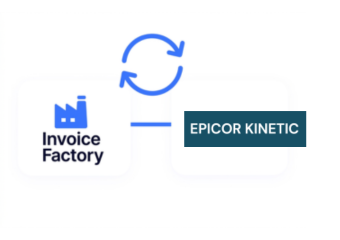
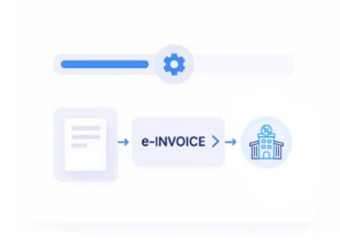
Advintek provides an integration layer between applicable Epicor Kinetic transaction information and Uganda’s EFRIS workflow, helping businesses prepare, validate, process, and track invoice information without changing the ERP’s central role.
- Maps relevant Kinetic transaction information for invoice preparation
- Reviews applicable invoice fields before fiscal processing
- Supports EFRIS submission and response handling
- Helps maintain links between ERP and fiscal records
Why Use Epicor Kinetic for Uganda Invoice Processing
- Order-to-Invoice Continuity: Kinetic can connect customer orders with shipments and billing activity, helping businesses retain useful transaction context as invoices are prepared.
- Manufacturing Context: Production, job, and order information can provide supporting background for invoices generated from manufacturing-related customer activity.
- Receivables Alignment: Kinetic financial management includes accounts receivable capabilities, helping invoice activity remain connected with customer accounting processes.
- Multi-Site Coordination: Kinetic supports multiple companies, sites, books, and currencies, helping organizations manage financial activity across broader operating structures.
- Sales Visibility: Quoting, estimating, and order management capabilities help preserve commercial information around transactions that later become customer invoices.
- Financial Reporting: Kinetic provides financial reporting and business intelligence capabilities that can give teams additional context when reviewing invoice-related activity.
Complete Control Over Epicor Kinetic Uganda E-Invoicing Workflows
Error Detection Support
Applicable transaction fields can be reviewed before invoice information proceeds toward Uganda fiscal processing.
Dashboard and Reporting
Identified data issues can be highlighted for review before affected transactions continue through the workflow.
Dedicated E-Invoicing Support
Processing information can help teams follow invoice activity and returned fiscal details alongside originating ERP records.
Epicor Kinetic for Uganda Manufacturers
Epicor Kinetic supports manufacturers across production, sales, supply chain, order management, and financial operations, creating useful business context for Uganda invoice processing.
- Manufacturers connect orders with invoices
- Fabricators align shipments with billing
- Producers relate jobs to customer transactions
- Multi-site firms review financial activity
Connect Epicor Kinetic Today
Advintek supports applicable Epicor Kinetic invoice activity through the Uganda EFRIS workflow.
Epicor Kinetic manages manufacturing operations. Advintek supports fiscal connectivity.
Ready e-Invoice System
Frequently Asked Questions Epicor Kinetic ERP E-Invoicing Uganda
What Kinetic information can help verify customer billing?
Relevant Kinetic information may include customer details, products, quantities, prices, orders, shipments, and billing records. Reviewing these details together can help confirm that invoice information reflects the underlying transaction before applicable data proceeds through the Uganda EFRIS workflow for fiscal processing and record handling.
Can shipment activity be considered before preparing an invoice?
Yes. Shipment information can provide useful fulfillment context for customer billing. Where applicable, businesses can review shipped items, quantities, customer details, and related order information before invoice preparation, helping establish a clearer connection between fulfilled goods and the transaction being processed through EFRIS.
How can Kinetic sales orders contribute to invoice review?
Sales orders can provide the commercial starting point for customer transactions in Kinetic. Order details may help establish the customer, products, quantities, pricing, and other relevant information that supports invoice preparation, allowing applicable billing records to be reviewed against the originating sales activity.
What role can Kinetic financial records play in invoice follow-up?
Kinetic financial capabilities include accounts receivable and general ledger functionality, giving finance teams broader accounting context around customer transactions. Related financial records can support subsequent review of invoice activity, customer balances, and reporting after applicable invoice information has progressed through fiscal processing.
Which Kinetic transactions may require additional review before submission?
Transactions containing incomplete, inconsistent, or unexpected customer, product, pricing, quantity, or tax information may require additional review. Advintek can help identify applicable invoice information requiring attention before processing continues, giving teams an opportunity to resolve relevant transaction details within their established Kinetic workflow.