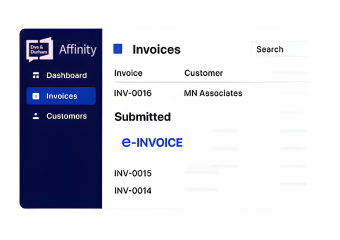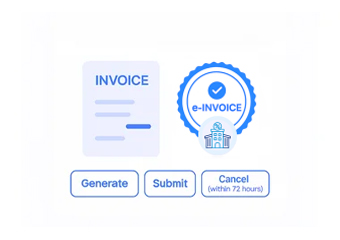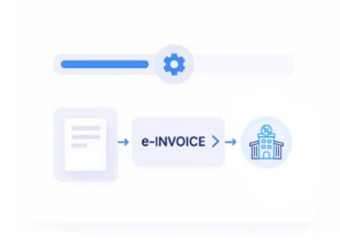


Compliance That Fits Affinity Legal ERP Users
How Does Affinity Feed Uganda EFRIS Processing?
- Matter Activity Review: Relevant Dye & Durham Affinity matter and billing activity is identified for applicable invoice processing requirements within Uganda.
- Time And Fee Assessment: Billable time, fees, rates, and associated charges are carefully reviewed before invoice information moves forward for processing.
- Client Details Assembly: Applicable client and matter information is organized alongside the related billing transaction for accurate invoice preparation.
- Invoice Data Validation: Advintek checks relevant invoice information before preparing it for Uganda fiscal processing and submission requirements.
- EFRIS Submission Handling: Validated invoice information enters the applicable EFRIS workflow through the connected integration process for fiscal processing purposes.
- Fiscal Response Association: Returned fiscal information can be associated with the originating Affinity billing transaction for reference and ongoing record tracking.
What Does Advintek Add Around Affinity
Advintek provides the integration layer that helps connect relevant Dye & Durham Affinity billing information with Uganda’s EFRIS environment, giving legal practices a structured route for applicable invoice validation and fiscal processing.
- Maps applicable Dye & Durham Affinity billing information
- Reviews invoice data before submission
- Supports EFRIS transaction preparation
- Helps organize returned fiscal details
Why Does Affinity Support Better Uganda Invoice Processing?
- Matter-Based Billing: Dye & Durham Affinity keeps billing connected with matters, clients, contacts, time, and financial information, helping preserve invoice context throughout processing.
- Flexible Fee Handling: Different legal matters can use flexible rates, time entries, and billing arrangements without separating those details from their originating workflows.
- Consolidated Client Billing: Dye & Durham Affinity can combine multiple services or matters into consolidated bills, supporting firms with more complex client billing arrangements.
- Multi-Currency Invoicing: Multi-currency billing capabilities can help firms handling overseas clients retain relevant currency information within applicable invoice transactions.
- Financial Reporting: General Ledger and reporting capabilities give finance teams broader accounting context when reviewing invoice-related activity and firm performance.
- Entity-Level Visibility: Dye & Durham Affinity supports financial oversight across entities, branches, and departments, helping firms review invoice activity within their wider organizational structure.
Everything You Need for Uganda E-Invoicing in One Place
Real-Time Validation Feedback
Review applicable invoice information and identify missing or inconsistent details before fiscal processing continues.
Centralized Legal Dashboard
Highlight transactions requiring additional attention so users can investigate billing or data issues before submission.
Continuous Compliance Support
Provide useful visibility into invoice activity and fiscal processing for operational and accounting review.
Dye & Durham Affinity for Uganda Legal Practices
Dye & Durham Affinity is designed for established legal practices, combining matter management, billing, time recording, accounting, reporting, CRM, workflow, and document capabilities within one practice management environment.
- Commercial firms connect matter billing with invoice processing
- Property practices coordinate client and transaction billing
- Multi-office firms review financial activity across branches
- Specialist practices manage time-based client invoicing
Billing Meets Uganda EFRIS
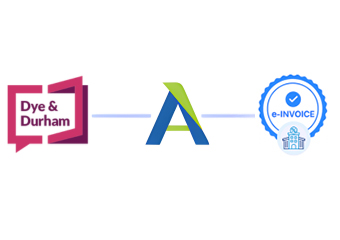
Advintek helps connect applicable Dye & Durham Affinity billing activity with Uganda's EFRIS workflow.
Affinity manages legal practice operations. Advintek supports fiscal connectivity.
Ready e-Invoice System
Frequently Asked Questions Affinity Legal ERP E-Invoicing Uganda
What happens to time-based legal fees during invoice preparation?
Dye & Durham Affinity records billable time through flexible time-entry options and applies rates according to client or matter requirements. Those billing details can provide source information for applicable invoice preparation. Advintek can help organize relevant billing information before it proceeds through the Uganda EFRIS workflow.
Which Dye & Durham Affinity billing arrangements may require additional invoice context?
Consolidated bills, split bills, multi-party bills, and multi-currency billing can involve different combinations of client and matter information. Dye & Durham Affinity supports these billing scenarios, allowing applicable transaction details to remain connected. Advintek can help prepare relevant information for fiscal processing based on the resulting billing record.
How are matter details useful when reviewing invoice transactions?
Matter information gives legal practices a business reference for understanding why an invoice was generated and which client activity it represents. Dye & Durham Affinity links matters with contacts, documents, financials, time, and billing. This connected context can assist invoice review and reconciliation alongside EFRIS processing.
Why could multi-entity reporting matter for Uganda invoice oversight?
Law firms operating through multiple entities, branches, or departments may need to distinguish financial activity during internal reviews. Dye & Durham Affinity supports reporting across these organizational structures. This can help finance teams examine applicable invoice activity within the correct business context while maintaining broader visibility over firm performance.
When can Dye & Durham Affinity financial records assist post-invoice reconciliation?
Dye & Durham Affinity provides General Ledger, financial management, reporting, and accounting capabilities that give firms wider visibility around financial transactions. After applicable invoice processing, these records can help users compare billing activity with accounting information, investigate differences, and maintain a clearer connection between operational invoices and financial reporting.